Why Solo Developers Keep Fixing Developer Experience
Small teams can feel a developer pain directly and fix it quickly. That feedback loop explains the pull of Bun, Elysia, TypeScript, and Effect.

Big technology companies own much of the web. Yet some of the tools I enjoy most come from a solo developer or a tiny team.
That is not because large teams cannot build good software. They have shipped important foundations: languages, runtimes, databases, browsers, and operating systems. The difference is the feedback loop. A small team often feels one sharp annoyance directly and can decide to fix it without moving through a large product map.
My longer essay, Big Tech Owns the Web. So Why Do the Best Ideas Still Come From Lone Devs?, is a personal argument about that gap. It is not a measured ranking of every company or independent project.
Pain is a useful specification
When a developer is also the user, small problems are hard to ignore:
- a build that takes too long;
- a configuration file that explains nothing;
- an API that needs five wrappers before it is pleasant;
- a tool that is powerful but makes the first step feel ceremonial.
The fix does not need a committee to be valid. It needs to make the next use better.
That is why small tools can feel unusually direct. They are often built around one clear promise instead of ten product lines and several layers of compatibility.
The newer tool wave
Bun is an example of a project selling a simpler runtime and toolchain story. Elysia focuses on a clean TypeScript server experience. Effect tries to make difficult application concerns explicit instead of scattering them across libraries.
These projects have different goals and trade-offs. I do not treat them as proof that every older tool is obsolete. I see them as signals: developers keep building new layers because the base experience still leaves room for improvement.
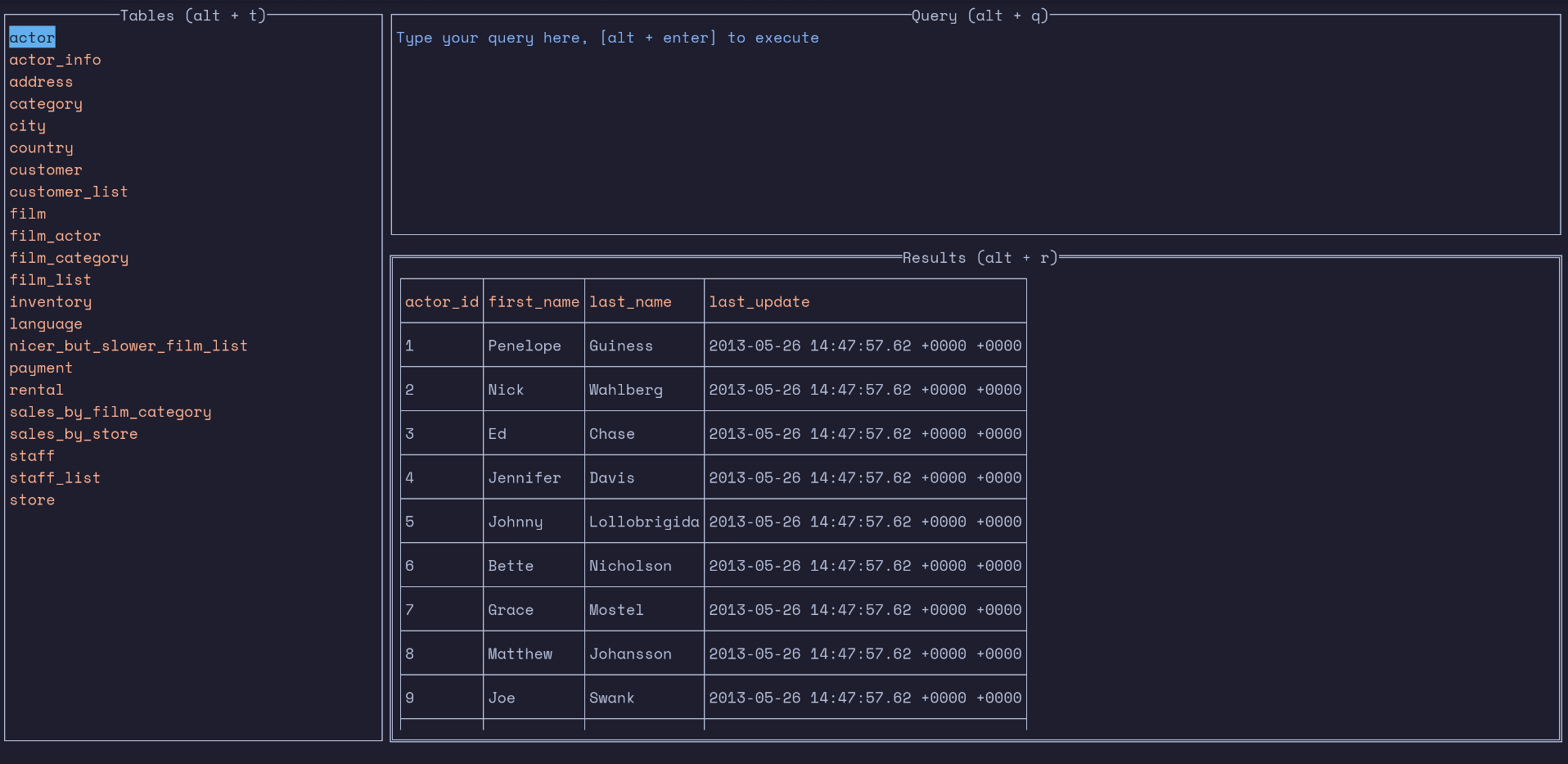
The same pattern appears in open-source editors, database tools, terminal programs, and small deployment utilities. A project can be technically modest and still change how a person works every day.
What big teams are good at
Large companies bring resources that small projects do not: compatibility work, security teams, documentation staff, infrastructure, and long maintenance horizons. That work is less visible than a clever new tool, but it matters.
The problem is that scale can also make friction harder to remove. A change that helps one developer may conflict with a platform promise, a partner, an older version, or a business metric. The system becomes stable, but not always pleasant.
Small teams can move faster because they have fewer promises to preserve. They can also break more easily because fewer people are checking the edges.
The craft is the point
I am drawn to projects that make a narrow workflow feel considered. Fast startup, a readable error, one fewer configuration step, a command that tells the truth—these details compound.
The lesson is not “always choose the solo project.” It is to notice where the best feedback is coming from. The person closest to the pain may have the clearest idea of what to remove.
Big Tech can build the foundation. A lone developer can still show what the front door should feel like.
This is a short companion to the full developer-experience essay. Edited with AI assistance.